
Display Coolers for Convenience Stores: How to Choose
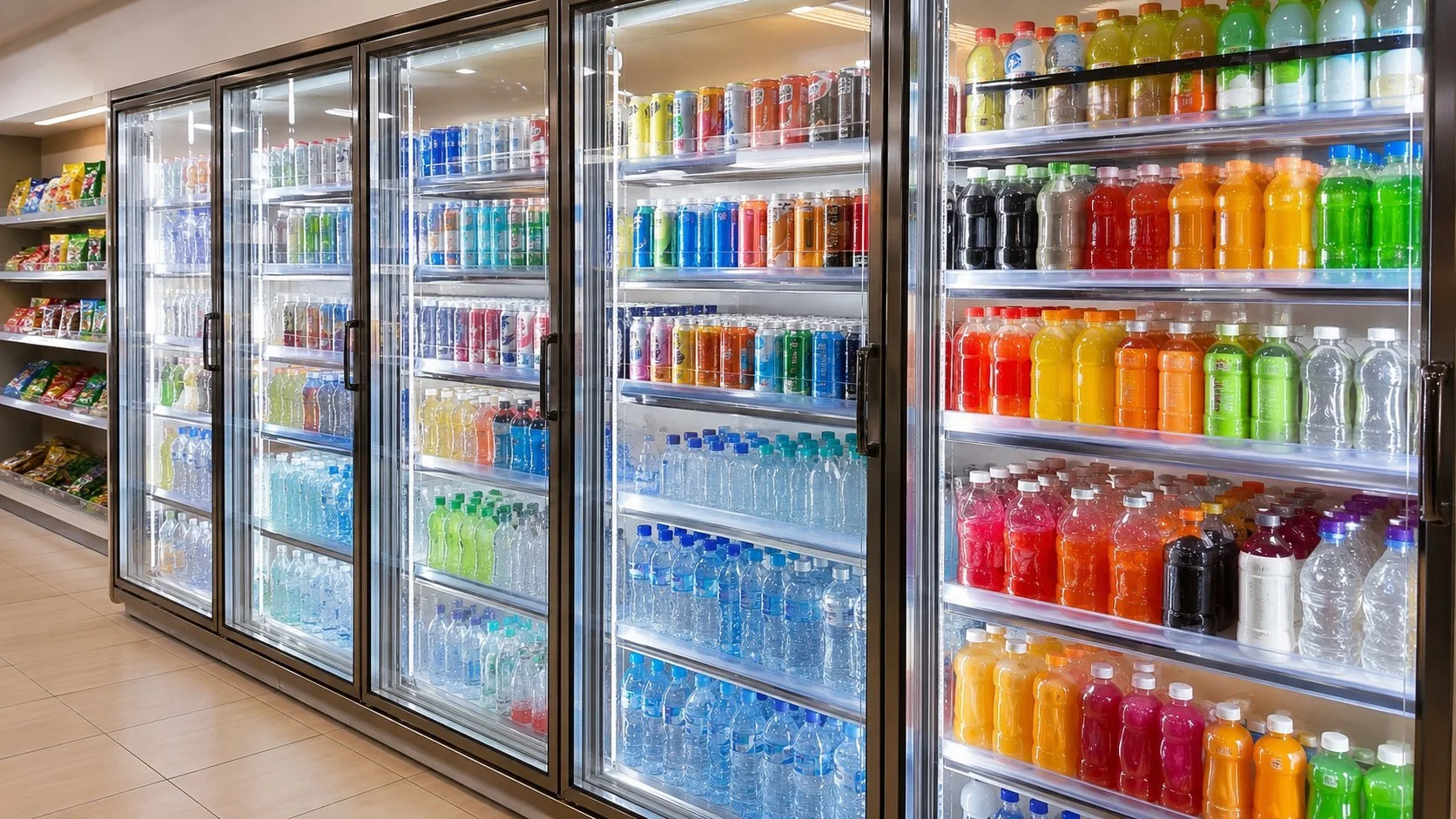
In a convenience store, the cooler wall is the store. Drinks, dairy, and grab-and-go items drive the daily traffic, and all of them live behind cold glass. Choosing the right display cooling is one of the few equipment decisions that directly moves your sales.
Here is how to think through it, from door counts to the walk-in room behind the wall. Titan supplies and installs glass door display coolers and builds the cold rooms that back them across Toronto, the GTA, and Southern Ontario.
Start with what sells, not what fits
The instinct is to measure the wall and buy whatever fills it. Better to start from your sales. Which categories move: beverages, dairy, energy drinks, beer where licensed, fresh food? How many facings does each need so the shelf is not empty by evening?
Your cooler doors are shelf space. Count the facings your sales demand, and the number of doors follows. A store that keeps running out of its top sellers before restocking is losing sales a bigger cooler wall would catch.
Reach-in doors or open front
Glass door coolers hold temperature better and use less energy because the cold stays behind the door. Open front coolers invite impulse grabs but spill cold air into the aisle all day, which your hydro bill pays for. For most convenience stores, glass doors win for the main wall, with open front units reserved for high-impulse spots if used at all. We went deeper on the trade-offs in choosing a glass door display cooler.
The walk-in behind the wall
The biggest upgrade for a busy store is not more standalone units. It is a walk-in cooler behind the display wall with pass-through glass doors on the store side. Staff restock from inside the cold room, the product stays at temperature from delivery to sale, and the doors always look full because the entire depth behind them is inventory.
That layout cuts restocking labour, keeps delivery pallets out of the aisle, and turns the cooler from a set of boxes into part of the building. It is a build project, which is where professional installation comes in: the room, the doors, and the refrigeration are designed as one system.
When standalone units are the right call
Smaller stores, tighter budgets, and rented spaces often stay with standalone glass door units, and that is fine. Choose commercial-grade units sized to your facings, place them against walls that can take the heat the condensers throw, and leave airflow space. The mistakes to avoid are residential-grade equipment and cramming units into corners where they cook themselves.
Layout, sightlines, and energy
Put the destination categories, like milk and eggs, at the back so customers walk the store. Put impulse drinks in sightline of the counter. Keep the glass clean and the lighting bright, because a dim cooler reads as an old store.
On energy: LED lighting, doors that self-close, and well-maintained gaskets keep running costs down. A cooler wall runs every hour you are open and every hour you are closed, so efficiency compounds.
Planning an upgrade
If your store is due for a cooler upgrade, start with three numbers: your facings by category, your available wall length, and your back-room space. Those three decide whether the answer is better standalone units or a walk-in with pass-through doors. Either way, get the layout and the refrigeration planned together, not bought separately. Businesses across the city already run on our builds; see our walk-in coolers in Toronto work.
FAQ
What size display cooler does a convenience store need?
Count the facings your sales require by category, then match door count to facings. Stores that sell out of top sellers before restock need more doors or a deeper backing room, not just fuller shelves.
Are glass door coolers better than open coolers?
For the main wall, usually yes. Glass doors hold temperature and use less energy. Open front units trade running cost for impulse convenience and are best used sparingly.
What is a pass-through walk-in cooler?
A walk-in cold room built behind the store wall with glass display doors facing the customer. Staff restock from inside the room, product stays cold end to end, and the display always looks full.
Do display coolers use a lot of electricity?
They run around the clock, so efficiency matters. Glass doors, LED lighting, good gaskets, and proper condenser airflow keep the cost down. Placement in a hot corner drives it up.
Can you install display coolers in an existing store?
Yes. Standalone units need power and airflow planning; pass-through walk-in builds are a construction project we design around your space and schedule.
What should I do before getting a quote?
Know your best-selling categories, your current facings, and your wall and back-room dimensions. With those, a quote can be scoped to your actual sales instead of guesswork.
Upgrading your store's cooler wall? Titan supplies glass door display coolers and builds pass-through walk-in cold rooms for stores across the GTA, 500+ installs since 2013. Request a free quote or call (416) 896-7153.